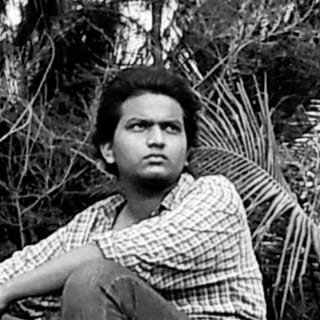
Composition overlays for portrait photography
Portrait photography breaks into three composition modes. Environmental portraits use the Rule of Thirds with the eyes on the upper third. Tight headshots use the Rule of Fifths for refined off-centre placement. Formal centred portraits (institutional, corporate, full-frontal) use the Center Cross. For posed sittings, layer the Loomis Head construction on top of the chosen composition overlay to verify both head construction and frame placement in one workflow.
This audience guide draws on the 82 composition overlays every visual artist should know and use.
By Sujith Puthran · Last updated 15 May 2026The three portrait modes
1. Environmental portrait — Rule of Thirds
For environmental portraits where the subject sits within a meaningful background (workplace, home, outdoor location), use the Rule of Thirds with the subject's eyes on the upper horizontal line. The body offset to a vertical third creates room for the environment to read alongside the subject. Most environmental portraits work best at 1/3 or 2/3 horizontal placement of the body, leaving the other 2/3 or 1/3 for the environmental context.
2. Tight headshot — Rule of Fifths
For tight headshots and editorial portraits where the face fills most of the frame, the Rule of Fifths gives more refined off-centre placement than thirds. Place the eyes at 40% from the top (the second horizontal line of the 5×5 grid) and the face slightly off-centre horizontally on one of the inner vertical fifths. The closer-to-centre placement feels less aggressive than thirds, which suits the closer crop.
3. Formal centred portrait — Center Cross
For institutional and corporate portraits where dignity and balance are the goal — graduation portraits, board headshots, government IDs, professional headshots for LinkedIn at the conservative end — use the Center Cross. The subject sits dead-centre, eyes on the horizontal centreline. The composition reads as formal, balanced, and deliberate rather than off-centre and dynamic.
Layering Loomis Head with composition overlays
For posed portrait sittings (especially fashion, editorial, fine-art, painting reference), layer the Loomis Head overlay on top of the chosen composition overlay. The Loomis sphere and side-plane verify that the model's head angle reads correctly in three dimensions, while the composition overlay verifies the head sits in the right place within the frame.
The combined workflow is most useful for painting references — set up the model, capture the photo, apply Loomis + Rule of Thirds, and you have both head construction and frame placement locked. The painter can then construct the head from the Loomis scaffold and trust the composition was right at capture time.
Frequently asked questions
Where should the eyes go in a portrait?
On the upper third of the frame for environmental portraits — most photographers use the Rule of Thirds with the eyes on the upper horizontal line. For tight headshots, the Rule of Fifths gives more refined placement (eyes at 40% from the top) without feeling as aggressive. For formal centred portraits (institutional, corporate), the Center Cross with the eyes on the horizontal centreline.
Can I use Loomis Head construction in portrait photography?
Yes — most usefully in pre-shoot planning. Apply the Loomis Head overlay to a posed reference photo to verify the head's three-dimensional construction (cranium sphere, side-plane, ear-line, brow-line) reads correctly. Use this to evaluate whether the model's head angle works for the intended portrait, or to direct re-shoots. Loomis layered with Rule of Thirds gives both head construction and frame composition in one workflow.