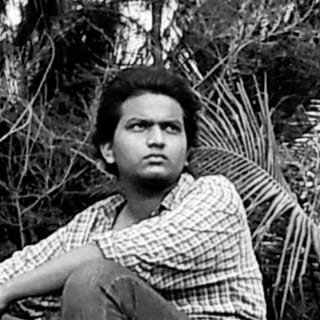
Chiaroscuro
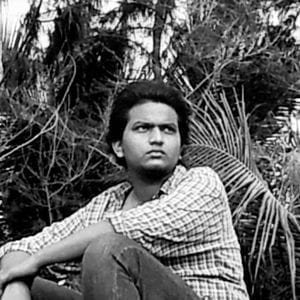
Chiaroscuro (Italian: chiaro "light" + scuro "dark") — the use of strong tonal contrast between light and dark areas to model 3D form on a 2D surface. Emerged in Italian Renaissance painting (Leonardo, Correggio) and reached its extreme in Baroque tenebrism (Caravaggio, Gentileschi, Zurbarán).
Part of the drawing glossary behind the 82 composition overlays every visual artist should know and use.
Distinct from sfumato (soft gradations) and from simple high-contrast lighting — chiaroscuro implies a deliberate compositional choice to use the light-dark transition itself as the primary form-modeling tool.
For overlay-based composition work: chiaroscuro influences which composition overlays read best. High-chiaroscuro scenes (a face emerging from black) often work well with golden ratio placing the lit subject area on the φ intersection. Low-chiaroscuro scenes (overcast landscape) often need different overlays — diagonal method or Phi rectangle for compositional structure.
Etymology and origin. The term combines chiaro (light, clear) with scuro (dark, obscure) and entered Italian art criticism in the late 15th century, though the technique itself is older. The earliest deliberate use of strong tonal contrast for sculptural form-modelling in painting is usually attributed to Masaccio's frescoes in the Brancacci Chapel (Florence, c. 1424-28). Leonardo's notes on light and shade in his unpublished Treatise on Painting formalised the theoretical basis; Caravaggio (1571-1610) pushed the technique to its extreme.
Chiaroscuro vs tenebrism. The two terms are often used interchangeably but technically differ. Chiaroscuro is the general principle of strong light-dark contrast for form modelling. Tenebrism is the specific style — pioneered by Caravaggio and continued by Caravaggisti like Artemisia Gentileschi, Georges de La Tour, and Zurbarán — where most of the canvas is in deep shadow and only the lit subject emerges into visibility. All tenebrism is chiaroscuro; not all chiaroscuro is tenebrism. A Vermeer interior uses chiaroscuro for soft form modelling without the dramatic shadow dominance of tenebrism.
Practical use in contemporary work. Photographers achieve chiaroscuro through hard directional lighting (single off-axis light source, no fill) and through post-shoot dodging-and-burning. Digital painters use multi-layer workflows where a base flat-colour layer is overlaid with shadow and light layers that establish the chiaroscuro structure. The same principle that worked for Caravaggio in 1605 works for a film noir DP in 2026 — single-source directional light, deep shadow areas, lit subject emerging from darkness.
Related: sfumato, visual weight.
Definition
Chiaroscuro — Italian for "light-dark" — is the use of strong tonal contrast between brightly lit and deeply shadowed areas to model three-dimensional volume on a two-dimensional surface and to dramatise a scene. The technique is typically associated with a small number of light sources, a wide value range from near-white to near-black, and a high ratio of shadow to highlight. Caravaggio (1571–1610) is the canonical exemplar — his use of a single raking light source against deep shadow defined the visual vocabulary of the early Baroque and remains a reference for cinematographers, portrait photographers, and figure painters today.
Etymology and origin
The word combines Italian chiaro (light, clear) and scuro (dark, obscure). The technique itself predates the word — Leonardo da Vinci's writings in the Codex Urbinas Latinus (compiled c. 1540 from notebook fragments c. 1490s) describe the systematic use of light-and-shadow modelling. The term as a recognised stylistic category enters art-historical discourse through Lomazzo's Trattato dell'arte della pittura (1584). Caravaggio brought the technique to its mature form in altarpieces and genre scenes c. 1600. The Caravaggesque tradition spread through Northern European painting (Honthorst, Ter Brugghen, Rembrandt) and remains the visual vocabulary of dramatic lighting in painting, cinema, and photography.
In practice
Portrait photographers use a single key light (typically 45° above and 45° aside from the subject) with no fill and minimal ambient. Cinematographers borrow the same setup for noir lighting and dramatic close-ups — Gordon Willis on The Godfather (1972), Roger Deakins on 1917 (2019). Figure painters use chiaroscuro to model volume by reducing the form into a single light-source diagram, then painting only those three values: light, halftone, shadow. The atelier exercise "Bargue plate study under raking light" trains both observation and the chiaroscuro discipline simultaneously.
Sources
- Leonardo da Vinci, Codex Urbinas Latinus, c. 1540 (compiled from 1490s notebooks).
- Lomazzo, Giovanni Paolo. Trattato dell'arte della pittura. 1584.
- Friedländer, Walter. Caravaggio Studies. Princeton University Press, 1955.
- Hills, Paul. The Light of Early Italian Painting. Yale University Press, 1987.