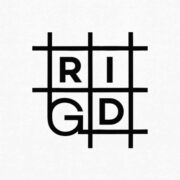
Seeing and using negative space
A single session for middle or high school. Students stop drawing the subject and start seeing the empty space around it as a shape of its own — then use the quadrant overlay to compose an image where emptiness does real work.
This lesson plan draws on the 82 composition overlays every visual artist should know and use.
Learning objectives
By the end of the session, students will:
- Define negative space and positive space (the subject)
- Trace the negative space as a shape, not just leftover area
- Use the quadrant overlay to balance a small subject against a large empty field
- Explain how negative space can create calm, isolation, or tension
Standards alignment
- VA:Cr2.1.7aDemonstrate persistence in developing skills with various materials, methods, and approaches in creating works of art or design.
- VA:Re7.2.8aCompare and contrast contexts and media in which viewers encounter images that influence ideas, emotions, and actions.
- VA:Re8.1.7aInterpret art by analyzing art-making approaches, the characteristics of form and structure, and relevant contextual information.
The gap is also a shape
Beginners draw the object and treat everything else as nothing. But the empty area has its own outline, and a viewer reads it. When the negative space forms a clear, interesting shape, the whole composition feels deliberate. The classic demonstration is figure-ground: the same outline can read as the object or as the space around it.
Negative space is not only emptiness — it is breathing room that tells the viewer where to rest and how important the subject is. A lot of empty space can make a subject feel small and lonely, or calm and dignified, depending on the mood; a little can feel tense and crowded. Learning to control that field is one of the fastest ways a student's compositions start to look intentional rather than accidental.
Lesson sequence
Composing with emptiness
50 minutesShow the figure-ground image above (or a Rubin vase). Ask "What do you see?" Wait for the two readings to surface. Establish that the empty area has a shape your brain can lock onto.
- (4 min) Students open the quadrant overlay to divide the frame into four equal fields.
- (10 min) Across reference images, students shade (on a worksheet) the negative space rather than the subject, and note how much of the frame it occupies.
- (18 min) Students make an image with a small subject in one quadrant and a large, clean negative space filling the rest — a single object against a plain wall, a figure at the edge of a field. They check the balance against the overlay.
- What shape did your negative space make? Was it interesting on its own?
- Did the emptiness make the subject feel calm, lonely, or important?
- Could you remove even more and make the image stronger?
See related ideas on the quadrant overlay page.
Teacher notes
- The key step: getting students to shade the gap rather than the object is the whole lesson — give the worksheet step extra time and circulate.
- Reference choice: pick images with plain skies, walls, or water so the negative space is clean and easy to read.
- Watch for: cluttered backgrounds that destroy the empty field; coach students to simplify, move, or change angle.
- Critique language: ask "what shape is the emptiness?" instead of "is it good?" — it keeps the focus on seeing.
Assessment rubric
4-point scale per criterion:
| Criterion | 4 — Mastery | 3 — Proficient | 2 — Developing | 1 — Beginning |
|---|---|---|---|---|
| Seeing negative space | Traces the empty shape accurately every time | Traces it most times | Traces it sometimes | Still draws only the subject |
| Balance | Small subject and large field balance convincingly | Mostly balanced | Partly balanced | Unbalanced or cluttered |
| Cleanliness of the field | Negative space is clean and deliberate | Mostly clean | Some clutter | Busy, no real emptiness |
| Reflection | Articulates the emotional effect of emptiness | Notes a real effect | Surface comment | No engagement |
Extensions
- Design link: Students look at logos and posters that use negative space cleverly (the hidden arrow, the hidden animal) and sketch one.
- Differentiation: Advanced students compose so the negative space itself reads as a recognizable shape. Beginners aim for a simple clean field.
- Cross-disciplinary (music): Compare negative space to rests in music — silence that shapes the sound.
- Homework: Students photograph one object against a plain background so the empty space is at least three-quarters of the frame.
More lesson plans: browse all. Want this plan customized for your curriculum? Email us.